
Set up with a routine.
System identification, connectors, batteries or power supply, pre-dive checks, settings and a practical launch/recovery plan.
Home / Services / ROV training & familiarisation
ROV training & familiarisationPractical operator familiarisation tailored to the vehicle, tools, software and environment. Build a repeatable routine from pre-dive setup and safe handling to data capture, recovery and post-dive care.
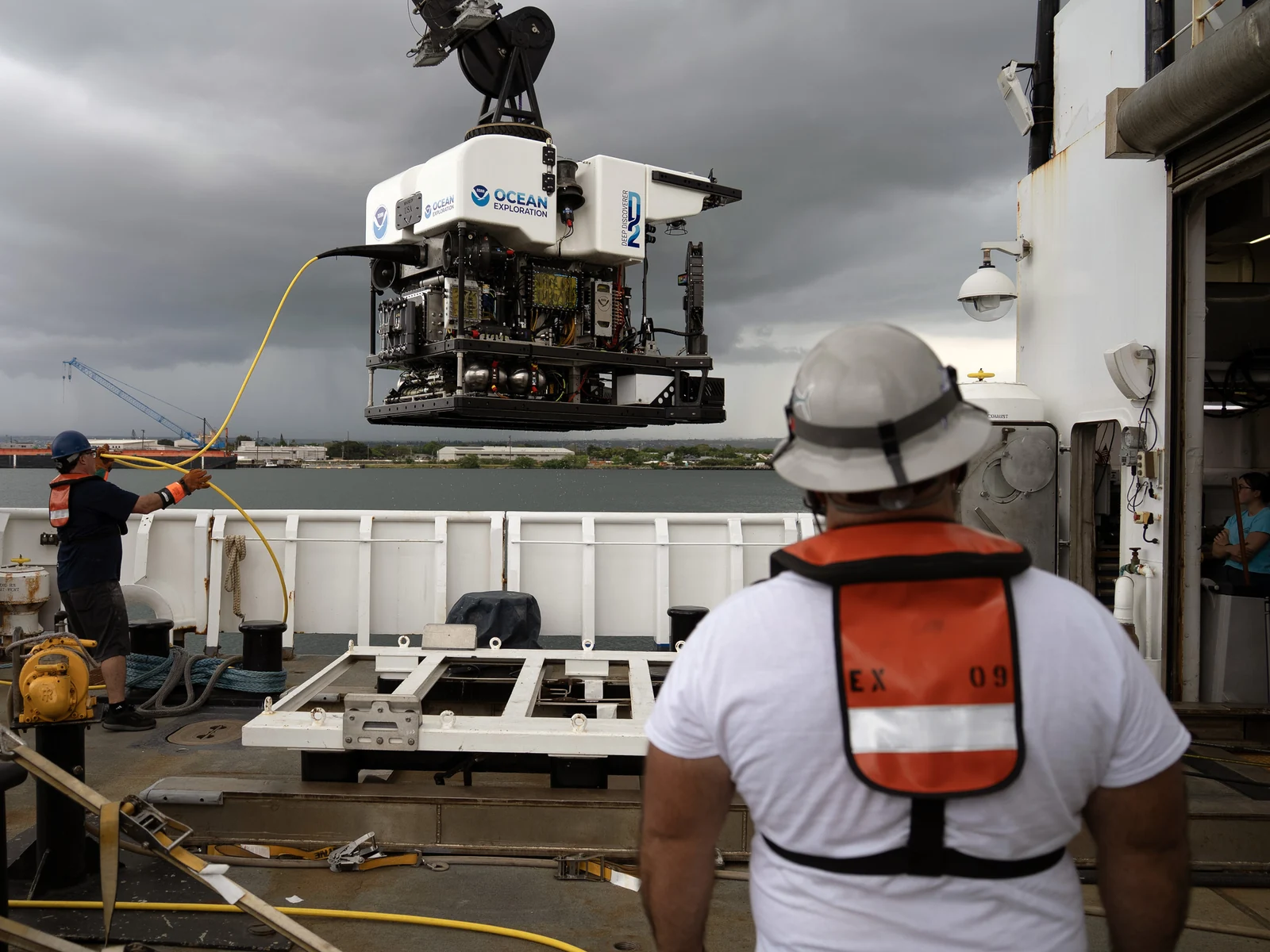
Sessions are scoped to the selected system, team experience and operating conditions. Start with the tasks, responsibilities and outcomes you want the operator to practise.
System identification, connectors, batteries or power supply, pre-dive checks, settings and a practical launch/recovery plan.
Basic manoeuvring, camera orientation, tether awareness, access constraints, recovery and appropriate responses to abnormal conditions.
Familiarisation with the selected camera, sonar, navigation, gripper and other compatible payloads, including their operating limits.
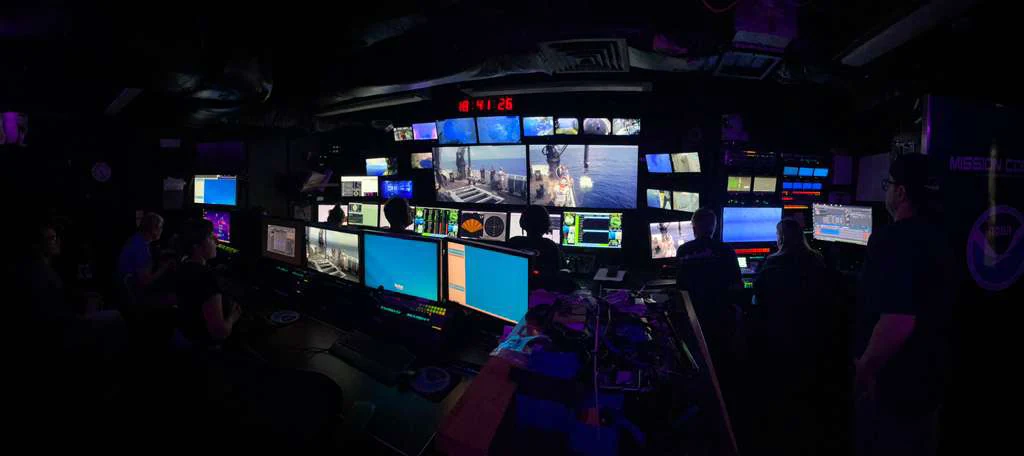
Practise image and video capture, observation logging, sensor records and file handover using the agreed software workflow. UT familiarisation focuses on equipment setup and recording within the defined inspection procedure.
Inspection methods, calibration requirements and technical acceptance remain part of the agreed inspection scope. Specialist NDT work requires appropriately qualified personnel.
Explore inspection software & reportingRoutine care and good configuration records help the next operator start with a known system. Familiarisation can cover the maintenance tasks appropriate to the equipment and operator role.
Discuss maintenance supportPost-dive cleaning, condition checks, tethers, connectors, seals, lighting and storage.
Fault observations, configuration changes, spare-parts identification and equipment-specific support.
Training format, location, equipment availability and practical exercises are agreed when the session is scoped.
Tell us the ROV, payloads and software, plus the planned depth, visibility, access and deployment arrangement.
Describe experience levels, operator roles and the specific tasks or data workflow the team needs to practise.
Agree the setup routine, operating checks, exercises, reference material and follow-up support required for the configuration.
Send the system configuration, team experience, location and training objectives.