
Choose the right foundation.
Operating depth, current, payload mass, buoyancy, stability, tether management and deployment arrangement set the limits of the configuration.
Explore ROV equipmentHome / Services / ROV systems integration
ROV systems integrationConfigure an underwater system around the job: the ROV platform, sensors, scanners, manipulators, cleaning tools and software working together. SeaRecon scopes selection, adaptation and integration against the operating requirement.
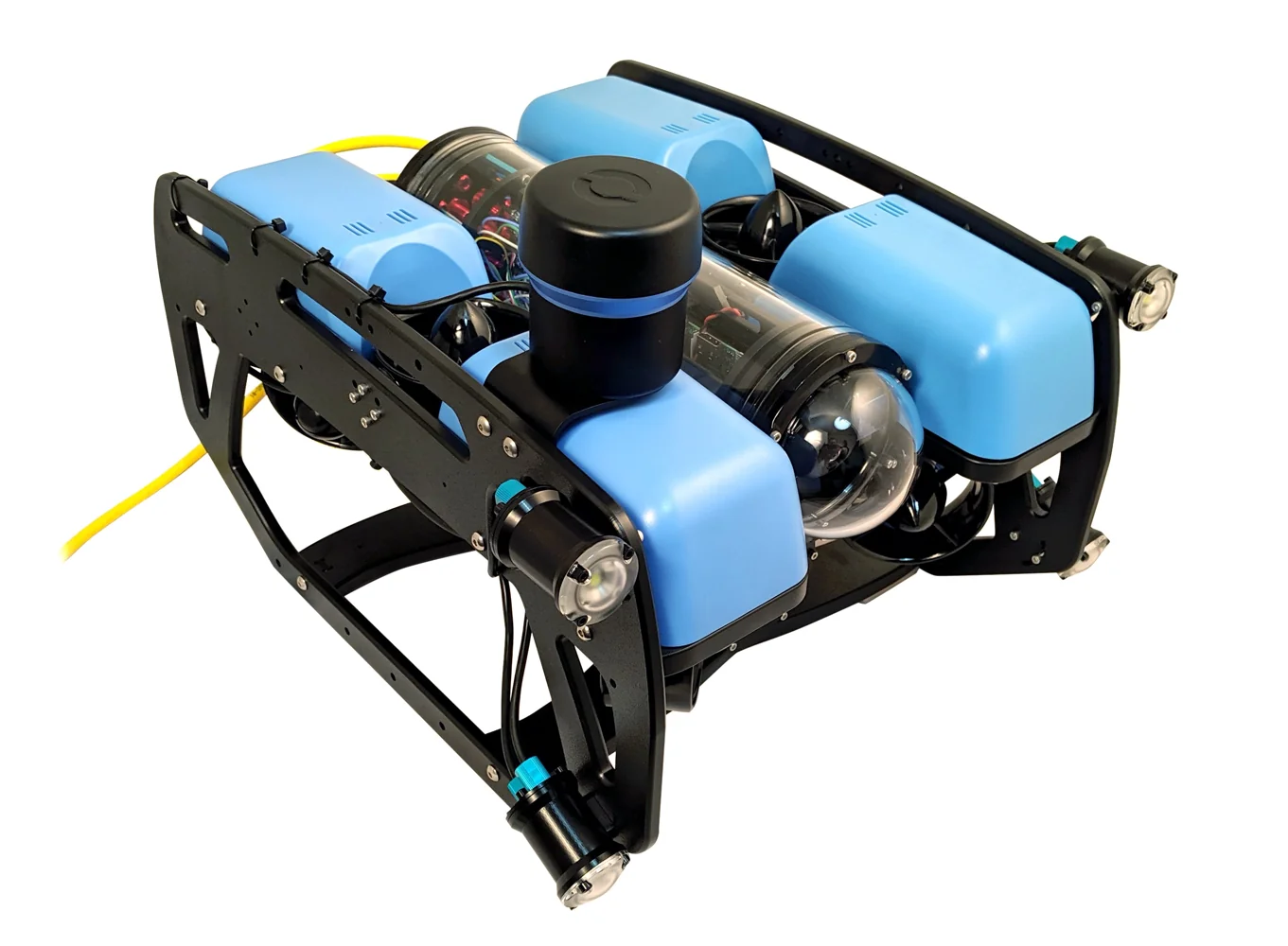
Start with the asset, environment, access, inspection or intervention requirement and desired deliverable. Those define the platform and the tools it needs to carry.
Operating depth, current, payload mass, buoyancy, stability, tether management and deployment arrangement set the limits of the configuration.
Explore ROV equipmentSonar and scanners, UT/NDT probes, cameras, manipulators, cleaning tools and custom attachments. Match mounting, reach, contact and reaction loads to the vehicle.
Explore tools & sensorsConfigure compatible controls, sensor acquisition, navigation, image collection and reporting workflows around the information the operator needs.
Explore inspection softwareA useful system balances mechanical fit, available power, communications, software compatibility and the operator’s workload. We define what needs to connect, what needs adapting and how the agreed configuration will be checked.
Discuss an interface or payload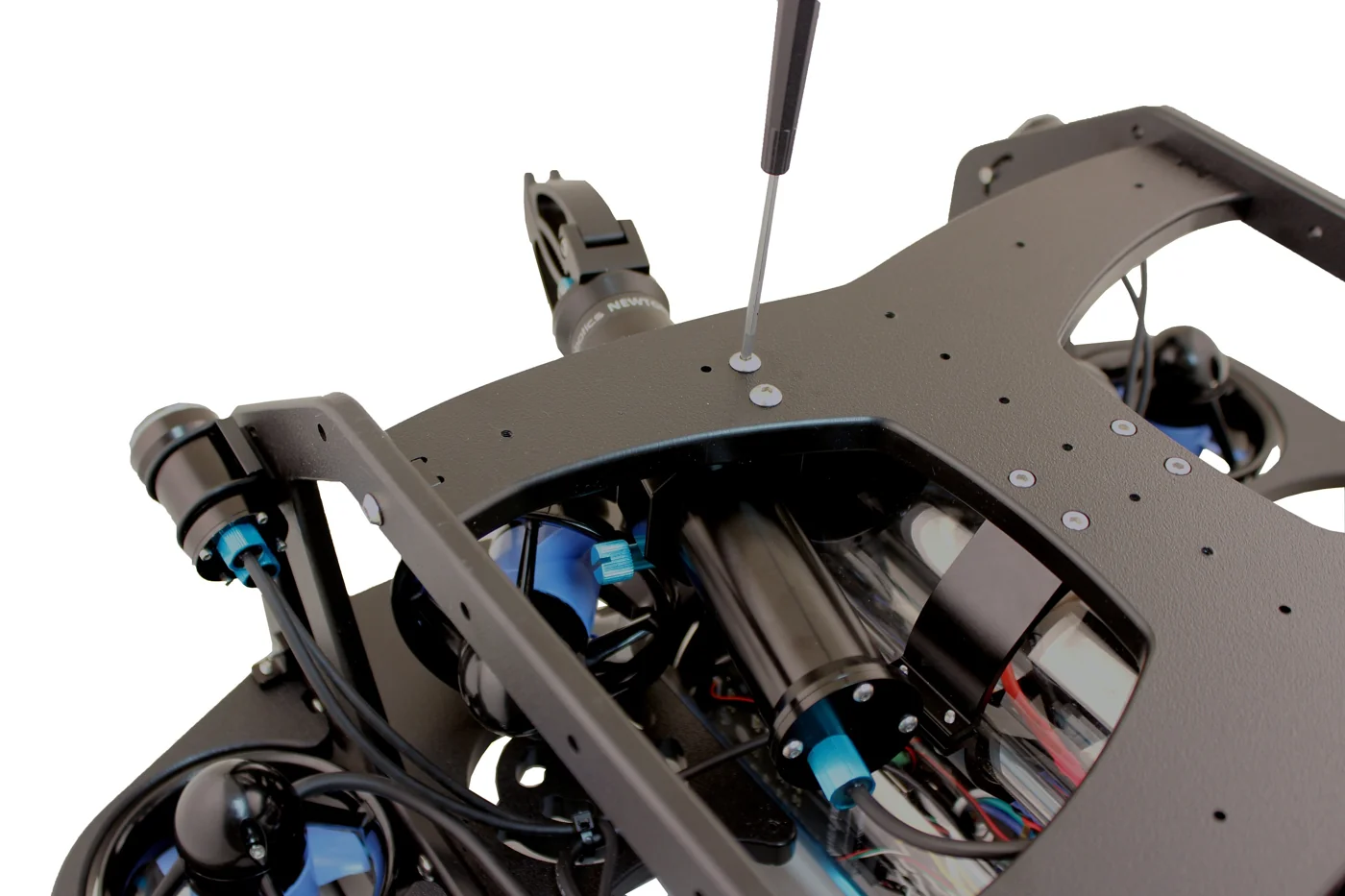
Payload mounting, attachment loads, cable routing, probe contact, buoyancy and maintainability. Custom tooling and cleaning attachments are scoped against vehicle capacity and the job.
Power budgets, connectors, control signals and communications. Sonar, DVL, USBL, UT/NDT, cameras and manipulators are checked against available platform interfaces.
Compatible equipment software, time references, image and sensor recording, import/export requirements and the inspection reporting workflow.
These are configuration examples. Equipment, engineering and verification scope are defined against the application.
An appropriate inspection ROV, imaging sonar, lighting and navigation, with video and sonar records organised around the asset.
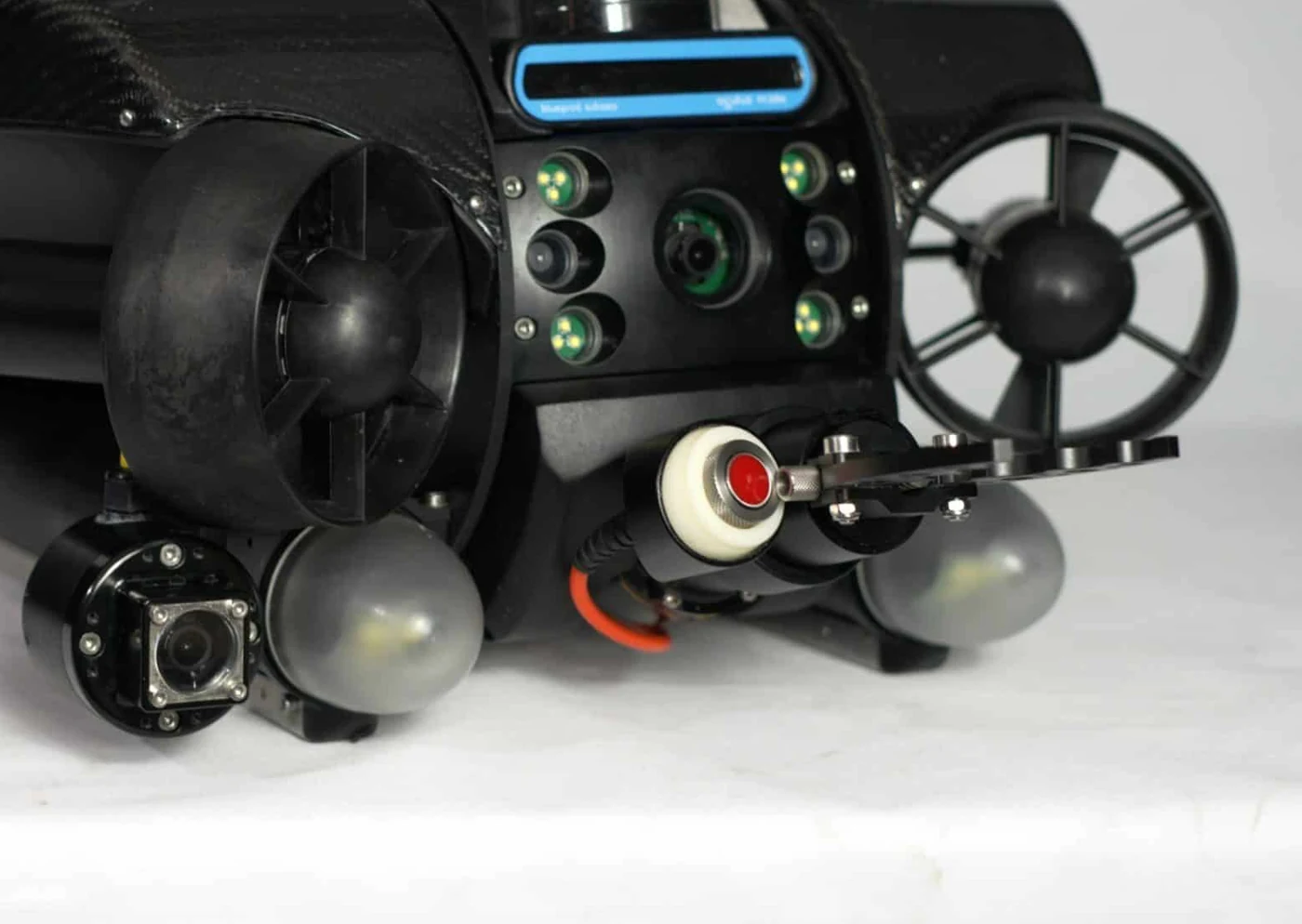
A suitable platform, UT sensor, probe handler and positioning arrangement, with reference checks and a traceable measurement log.
A vehicle with sufficient payload and reaction capacity, a compatible cleaning or handling tool, and suitable power, controls and operator visibility.
Agree the interface checks and acceptance criteria before implementation. Practical commissioning should exercise the complete equipment and data workflow.
Setup, operation, sensors, tether handling and data capture are most useful when taught on the system the team will use.
Explore trainingInclude access, routine checks, fault finding, compatible spares and equipment-specific maintenance in the integration scope.
Discuss ROV maintenanceSend the asset, environment, task, existing vehicle and required output. We’ll help define the tools, interfaces and software configuration.